
Search is changing. Is your website keeping up?
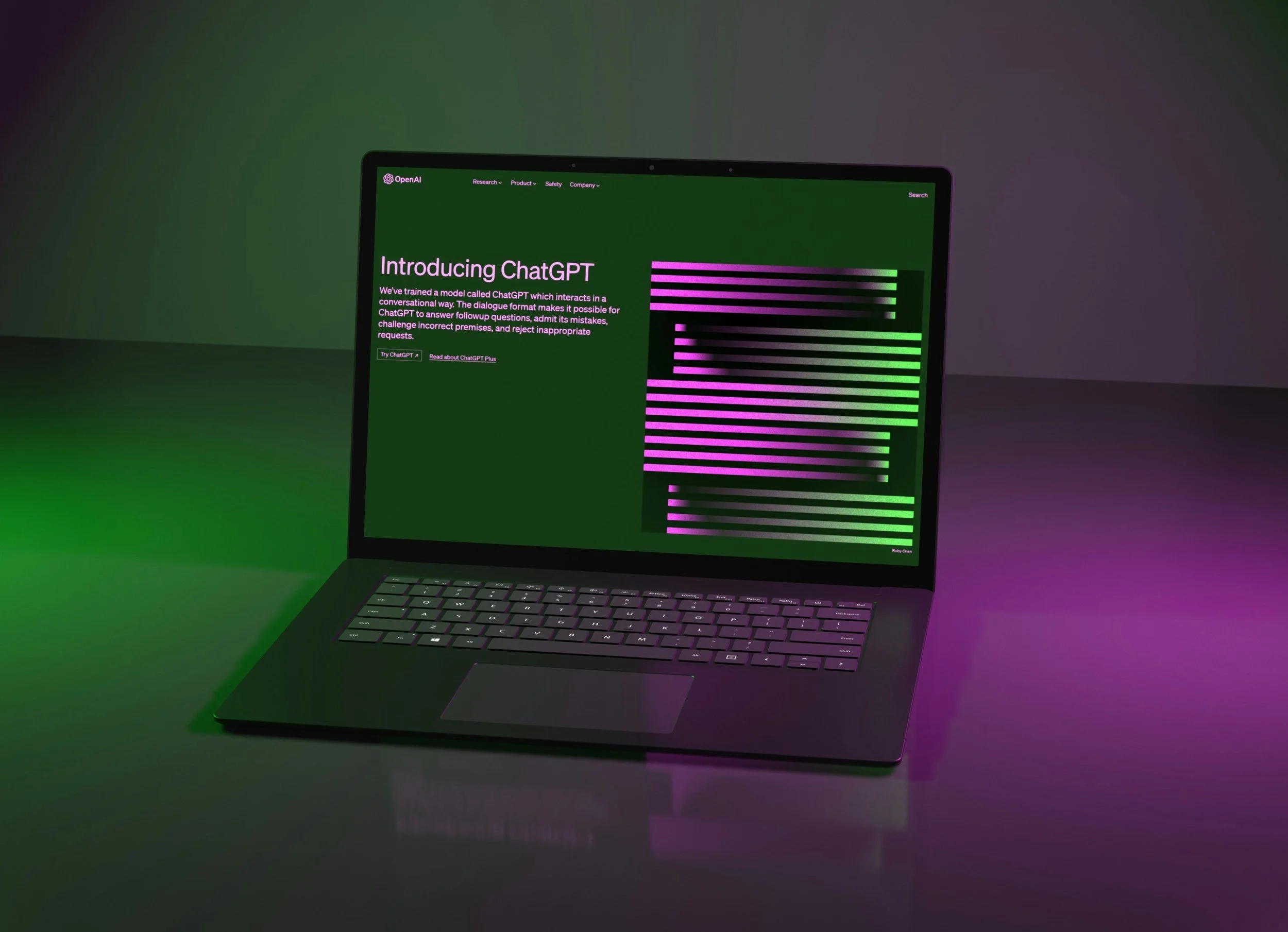
For years, businesses have focused on Search Engine Optimization (SEO) to help their websites rank higher on Google. But with the rise of AI-powered search tools like ChatGPT, Claude, and Google's AI Overviews, there's a new player in the game: Artificial Intelligence Optimization (AIO).
Today, customers aren't just typing a few keywords into Google. They're asking AI tools specific questions, looking for personalized recommendations, and expecting answers without having to scroll through pages of search results.
So, what does that mean for your business?
It means your website needs to do more than just rank well. It needs to provide clear, relevant, trustworthy information that both traditional search engines and AI-powered tools can understand.
The good news? You don't need to throw your existing SEO strategy out the window. In fact, strong SEO is the foundation of effective AI search optimization.
Let's break down the difference and explore practical ways to make your website more discoverable in both traditional and AI-powered search.
First Things First: What's the Difference Between SEO and AIO?
Search Engine Optimization (SEO) is the process of improving your website's visibility in traditional search engine results. This includes optimizing keywords, website structure, page speed, content, and other factors that help search engines understand and rank your website.
Artificial Intelligence Optimization (AIO), sometimes called Generative Engine Optimization (GEO), focuses on making your website's content easier for AI-powered search systems to discover, interpret, and potentially reference when generating answers to users' questions.
Think of it this way:
SEO: Helping your restaurant appear when someone Googles "best brunch restaurants in Nashville."
AIO: Helping an AI assistant recognize your restaurant as a relevant recommendation when someone asks, "Where should I go for brunch in Nashville if I want creative cocktails and outdoor seating?"
Both strategies work toward the same goal: getting your business in front of the right people at the right time.
The difference is how those people are searching.
1. Write Content That Answers Real Questions
One of the biggest shifts in AI-powered search is the way people phrase their searches.
Instead of searching for short keyword phrases, users are increasingly asking complete, conversational questions.
That means your website should provide direct, helpful answers to the questions your customers are already asking.
How to optimize:
Include frequently asked questions throughout your website.
Use natural, conversational language.
Create content that addresses common customer concerns.
Include specific details instead of relying on generic descriptions.
Example:
Let's say you own a local bakery.
Instead of only including a page titled "Custom Cakes," consider adding an FAQ section that answers questions like:
How far in advance should I order a custom birthday cake?
Do you offer gluten-free or dairy-free cake options?
Can I order a custom cake for pickup in Nashville?
How much does a custom wedding cake typically cost?
Why it works: These questions reflect the way people naturally search. Providing clear answers gives search engines and AI systems useful information to match with relevant queries.
2. Make Your Website Content Clear and Easy to Understand
Your website might look incredible, but if search engines can't easily interpret its content, you're missing opportunities to be discovered.
Both SEO and AIO benefit from websites with organized, descriptive, and accessible content.
How to optimize:
Use clear headings and subheadings (H1, H2, H3).
Break up long paragraphs into digestible sections.
Give each page a specific purpose.
Use descriptive page titles and meta descriptions.
Make important information available as readable website text, not just embedded in images.
Example:
Imagine you own a creative agency offering website development services.
Instead of using a vague headline like:
"We Bring Your Vision to Life"
Try something more descriptive:
"Custom Website Design & Development for Restaurants and Hospitality Brands"
You can still incorporate creative, personality-driven messaging throughout the page. The goal is to make it immediately clear what your business offers and who you serve.
Why it works: Clear headings and descriptive copy help search engines understand the subject of each page while making it easier for AI systems to identify relevant information.
3. Focus on Specific, Relevant Keywords
Keywords are still important, but successful optimization isn't about stuffing the same phrase into every paragraph.
It's about understanding what your audience is looking for and incorporating those topics naturally into your website.
For AI-powered search, detailed, specific information can be especially valuable because users often ask questions with multiple requirements.
How to optimize:
Research keywords relevant to your services and location.
Incorporate long-tail keywords into your website copy.
Create individual pages for your most important services.
Include relevant details about your products, specialties, and target audience.
Example:
A restaurant might traditionally target:
"Nashville restaurant"
But more specific phrases could include:
"Family-friendly Italian restaurant in East Nashville"
"Italian restaurant with gluten-free pasta in Nashville"
"Private dining for large groups in Nashville"
Rather than forcing these phrases into every page, create useful content that genuinely addresses those topics.
For example, a dedicated private dining page could explain available spaces, group sizes, menu options, and reservation procedures.
Why it works: Specific content helps your website align with more targeted searches, whether they're entered into Google or asked conversationally through an AI assistant.
4. Keep Your Business Information Consistent and Up to Date
If your website says your restaurant closes at 9 PM, your Google Business Profile says 10 PM, and a third-party directory lists 8 PM, how is a customer supposed to know which one is correct?
Inconsistent information creates confusion for customers and can make it harder for search systems to identify reliable details about your business.
How to optimize:
Keep your business name, address, and phone number consistent.
Update operating hours, menus, and services regularly.
Maintain an accurate Google Business Profile.
Review listings on relevant platforms like Yelp, Tripadvisor, and industry-specific directories.
Remove outdated promotions and discontinued offerings.
Example:
Let's say your restaurant recently started offering weekend brunch.
Make sure that information is reflected across your website, Google Business Profile, online menus, and other relevant listings.
Include useful specifics, such as:
"Weekend brunch is served every Saturday and Sunday from 10 AM to 2 PM, featuring specialty cocktails, house-made pastries, and outdoor patio seating."
Why it works: Accurate, consistent business information supports local SEO and gives AI-powered search tools clearer information to work with when answering location-based questions.
for more info, check out our blog post: 8 Steps To Setting Up Your Restaurant's Google Business Profile >
5. Build Trust With Helpful, Original Content
Search engines want to surface useful, credible information. AI-powered search systems also benefit from content that provides specific, verifiable details.
That means generic website copy isn't going to do your business many favors.
Your website should demonstrate what makes your business knowledgeable, experienced, and different from the competition.
How to optimize:
Publish original blog posts and educational resources.
Highlight relevant experience and expertise.
Feature real customer testimonials and case studies.
Showcase completed projects with detailed descriptions.
Keep information accurate and update it when necessary.
Example:
A creative agency could publish a case study about a restaurant rebrand.
Instead of simply saying:
"We helped this restaurant refresh its brand."
Provide meaningful details:
"Our team developed a refreshed visual identity, redesigned the restaurant's website, and updated its menu system to create a more cohesive guest experience across digital and in-person touchpoints."
Include examples of the work, the challenges addressed, and measurable results when available.
Why it works: Original, specific content gives search systems more useful context about your business and can help establish credibility with potential customers.
6. Add Structured Data to Your Website
Here's where things get a little technical, but stick with us.
Structured data, often called schema markup, is code that helps search engines better understand the information on your website.
It can identify details like your business type, location, products, services, articles, and more.
While structured data doesn't guarantee better rankings or AI citations, it can make certain information easier for supported search systems to interpret.
How to optimize:
Add appropriate Local Business schema to your website.
Use Product schema for eligible e-commerce product pages.
Include Article or Blog Posting schema on relevant blog content.
Use Organization schema to identify your business.
Make sure your structured data accurately matches the visible content on your website.
Example:
A restaurant's structured data might identify:
Business name: Example Bistro
Business type: Restaurant
Location: Nashville, Tennessee
Cuisine: American
Website: examplebistro.com
Opening hours: Tuesday–Sunday, 11 AM–9 PM
Why it works: Structured data provides search engines with standardized information about your business. It can also support eligibility for certain enhanced search appearances, depending on the schema type and platform.
7. Make Sure Your Website Is Technically Sound
Even the best content can struggle if your website is slow, difficult to navigate, or inaccessible to search engine crawlers.
Technical SEO continues to play an important role in both traditional and AI-powered search visibility.
How to optimize:
Ensure your website is mobile-friendly.
Improve page loading speeds.
Use descriptive URLs.
Fix broken links and unnecessary redirects.
Submit an XML sitemap to Google Search Console.
Check that important pages aren't accidentally blocked by robots.txt or noindex settings.
Use descriptive alt text for meaningful images.
Example:
Let's say your restaurant's menu is only available as an image or downloadable PDF.
Consider creating a dedicated menu page with readable text, organized categories, and individual descriptions.
Instead of relying exclusively on an image, your page could include:
Crispy Chicken Sandwich
Buttermilk-brined chicken, house-made pickles, spicy honey, and garlic aioli on a toasted brioche bun.
Why it works: Text-based information is generally easier for search engines to crawl, understand, and associate with relevant searches. It also improves accessibility and the customer experience.
8. Strengthen Your Presence Beyond Your Website
Your website is the foundation of your digital presence, but it isn't the only place customers and search systems learn about your business.
Reviews, reputable directories, news coverage, and other third-party sources can all contribute to how your brand is represented online.
How to optimize:
Keep your Google Business Profile updated.
Encourage customers to leave authentic reviews.
Pursue relevant media coverage and industry features.
Maintain accurate profiles on trusted directories.
Build relationships that lead to legitimate backlinks from relevant websites.
Example:
Imagine a local coffee shop that has been featured in a neighborhood publication, included in a citywide coffee guide, and reviewed by customers for its specialty espresso drinks.
Those independent mentions create additional opportunities for people and search systems to discover information about the business.
Why it works: A strong presence across credible sources can reinforce your brand's visibility and reputation. While no single mention guarantees inclusion in AI-generated answers, having reliable information available across the web is valuable.
9. Monitor Your Results and Keep Improving
SEO and AIO aren't one-and-done projects.
Search technology evolves, customer behavior changes, and your website should evolve with it.
The key is regularly reviewing performance and adjusting your strategy based on what you learn.
How to optimize:
Use Google Search Console to monitor search impressions, clicks, and queries.
Use Google Analytics to understand website traffic and conversions.
Review which pages generate meaningful engagement.
Update outdated content and expand pages that need more detail.
Periodically test relevant questions in AI-powered search tools.
Track qualified leads, reservations, purchases, and other business outcomes.
Example:
A restaurant might periodically test a question like:
"Where can I find a restaurant in Nashville with private dining for 20 people?"
If the restaurant doesn't appear in the response, that doesn't automatically mean something is wrong with its website.
Instead, review whether its private dining page clearly states capacity, location, reservation options, and other relevant details. Compare those details with the information available through third-party listings.
Why it works: Regular monitoring helps identify content gaps and opportunities for improvement. AI-generated responses can vary by tool, timing, and user context, so individual tests should be treated as directional observations rather than definitive rankings.
The Bottom Line: Good SEO Is Good AIO
The way people search is evolving, but the fundamentals of a strong website haven't disappeared.
Clear content, thoughtful website structure, accurate business information, and a great user experience are still essential.
The difference is that businesses now need to think beyond traditional search rankings and consider how their information is discovered, interpreted, and referenced by AI-powered tools.
The goal isn't to write your website for robots. It's to make your website genuinely useful for people, while making that information easy for search engines and AI systems to understand.
And you don't have to figure it all out on your own.
At Fresh Creative Studios, we help brands build websites that look good, work hard, and make a lasting impression. From website design and development to SEO-friendly content and ongoing optimization, we're here to help your digital presence keep up with the way your customers search.